How Your Attic’s Ventilation Impacts Your Roof
Your attic’s ventilation, if inadequate, can silently kill your roofing system. Learn why and how it impacts your roof.

Your attic’s ventilation, if inadequate, can silently kill your roofing system. Learn why and how it impacts your roof.
Your attic isn’t just a storage space—it’s a key component for improving energy efficiency and preventing premature damage to your entire roofing system.
In our experience, most property owners believe that Mother Nature herself will one day be responsible for the demise of their roof, whether through hail or strong winds. However, your attic can be a sneaky killer. Most homes in Michigan don’t have adequate attic ventilation simply because the technology and evidence we have today weren’t available when these homes were built.
Let’s get into why your attic is so important and how it relates to your roofing system.
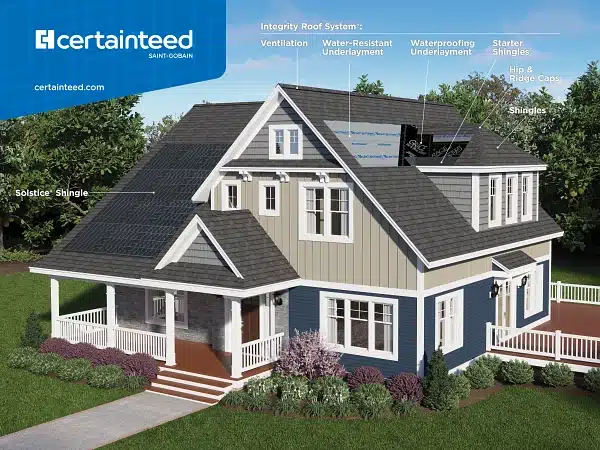
In this secret underground world of your roofing system, you’ll find:
Beyond these components, you also have the drip edge to keep water away from the fascia and wooden components; the shingles and the nails used to secure them; metal flashing to channel water away from vulnerable areas; gutters and downspouts that direct runoff water away from your home; and the ventilation system, which includes ridge vents and soffit vents, that allow air to circulate through your attic.
Think of each component in the roofing system like an organ in your body; if one organ stops working, it can cause widespread problems. Just as your body can be compromised if even one component is severely damaged, your entire roofing system can be compromised if even one component isn’t working right.
We know what you’re thinking—why would poor attic ventilation have such an impact on your entire roofing system?

Your roof system has intake vents, usually in the soffit or in the lower portions of the gable ends, and exhaust vents near the peak or ridge.
This airflow is driven by natural convection, where warm air rises and escapes through the upper vents while cooler air is drawn in through the lower vents, creating a continuous cycle. If these vents are blocked or the existing system isn’t balanced, temperature regulation and moisture control are impacted, both of which impact the durability of your roofing materials.
Air exchange is supposed to occur in your attic. If you’re up there and it feels stuffy, something is wrong. A well-designed attic not only regulates temperatures but also helps prevent heat buildup on your roof during the summer months.
In the summer, attics can get much hotter than the outdoor temperature. If there’s proper ventilation, that hot air will escape rather than build up. If this heat is allowed to build up, it doesn’t only make your attic warm, but also leads to premature shingle deterioration and causes issues with the adhesive that bonds shingles to the underlayment.
Likewise, in winter, good ventilation prevents warm indoor air from rising into the attic and warming the roof, which can eventually lead to ice dams.
Regardless of the season, you should never experience temperature extremes in your attic. Good ventilation reduces these extremes.

Your attic is warmer and more humid than any other part of your home because warm air is less dense and naturally rises, as does moisture. So, think about every time you shower, cook food, and do your laundry—heat generated from these activities is going to rise to the ceilings throughout the house, which then transfers to the attic. That warm air causes the cooler air to condense inside the attic space. When you use your kitchen and bathroom fans, many homes exhaust air from these rooms into the attic instead of through the roof, exacerbating existing moisture issues.
If your attic has limited or no airflow, excess heat and moisture will lead to condensation on the roof decking during the winter months, which can cause wood rot and mold. In fact, mold is hiding in almost every household and causing problems.

Attic ventilation issues can be caused by many factors, including:
Another common cause of attic ventilation issues isn’t as obvious: working with inexperienced contractors. For example, some insulation contractors won’t install a baffle, which helps create a channel for air to blow along the top of the roof. If baffles aren’t installed, the insulation will block the lower portion of the roof, which in turn blocks airflow and light. Other contractors, like siding contractors, may not understand how the various roofing components work together, focusing on their work without concern for the roof. This is why it pays to work with a professional. The next time your Uncle Joe tells you he can take care of your new siding so you can save some money, remember everything that Uncle Joe could do wrong. It’s your home—make sure it’s protected.
Unfortunately, attic ventilation problems are largely hidden. In fact, the roof decking is often the component that experiences the most damage, so unless you’re periodically climbing on your roof to check for sagging spots, you won’t know there’s even damage there.
Because we don’t want you to risk life and limb checking for sagging spots on your roof, here are other issues that could indicate you have some ventilation problems:

First, if you notice any of the issues we listed earlier, don’t wait to have them assessed. If you notice something weird with your own health, you’d want to get it checked out as soon as possible, right? Ignored problems don’t go away; they only become worse.
We also recommend the following proactive steps:
When your attic is properly ventilated, it ensures your roof can withstand whatever curveballs Mother Nature throws at it.
If you haven’t had your attic and roof inspected—what are you waiting for? This is the perfect Christmas gift for your house!
L&S Home Improvements provides comprehensive attic and roof inspections to homeowners across southeast Michigan. And because we believe in the gift of giving, our inspections are at no cost to you. When you work with us, here’s what you can expect:
Visit our website to learn more about how we can help you, or contact us today to schedule your inspection.