Do You Need Better Insulation?
Most homes in the United States have inadequate insulation—find out if your home is one of them.

Most homes in the United States have inadequate insulation—find out if your home is one of them.
In the winter, most of us step outside, mutter “No thank you,” and turn right back around to relax in the warmth of our homes, but sometimes the cold won’t get the memo and keeps lingering inside your home because you have poor insulation. We notice when we’re cold in the winter more than when we’re hot in the summer, so it’s easier to spot signs of poor insulation during these colder months.
Good insulation not only keeps heat from entering your home during the summer and from escaping in the winter, but also reduces wear and tear on your HVAC system and prevents you from crying every time you see your energy bill.
Unfortunately, most homes in the United States have inadequate insulation, not because builders didn’t know what they were doing, but because both insulative technology and climates have changed since the homes were built.
If you’re unsure if your home has adequate insulation, ask yourself these questions:

Covering the floor joists in your attic creates a continuous thermal barrier, preventing heat loss in winter and heat gain in summer. It also contributes to the effectiveness of the entire system, helping protect against mold growth, condensation, and elevated utility bills. A quick visit to your attic can help you determine if your home is properly insulated in this space.
Does your home just seem drafty no matter what you try to do? Poor insulation is likely the culprit.
While you can resolve some drafts by sealing gaps around windows and doors, hanging window treatments, or applying window film, this won’t fix the problem if the root cause is poor insulation.
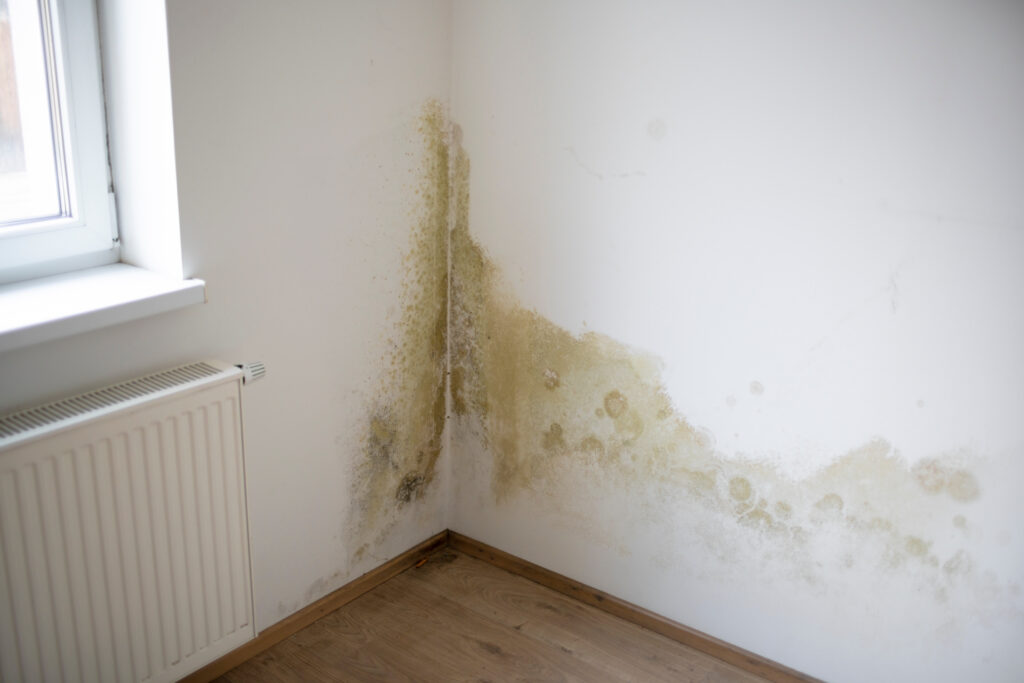
If certain parts of your home are blasted more intensely by winter winds, cold air may enter your attic through gaps in the insulation, causing moisture to form. Wind can also create positive and negative pressures on other parts of the home, driving warm, moist air through gaps in the ceiling into the attic and forcing cold air into other parts of the home. If you notice signs of moisture or mold growth, especially during the winter months, have your insulation and attic ventilation inspected.
If your child is sick, you’ll check their temperature to see if they have a fever. Interestingly, you can achieve the same effect with your home’s walls and floors. While your property obviously isn’t going to run a fever, place your hand on different parts of its walls and floors to feel for temperature differences and where insulation may be lacking.
Keep in mind that poor insulation isn’t just an attic issue; it’s a whole-home issue. Some areas where insulation may be lacking include a bump-out in your home’s second story and in the crawl space under your home or adjoining your basement.

Ice dams form when snowmelt from the roof re-freezes once it reaches the (colder) roofline and gutters, preventing any subsequent snowmelt from properly draining. If not addressed, ice dams can lead to roof damage and costly property damage.
Snow can unevenly melt on your roof due to a combination of poor attic ventilation and inadequate whole-home insulation. To prevent ice dams from forming, you must create a uniform roof temperature so that no portion of the surface heats faster than the rest.
How do you do that? We’re glad you asked! You can achieve a more uniform roof temperature by insulating the attic floor to prevent heat from rising from your living space into the attic, and by ensuring your attic is properly venting. We love talking about attic ventilation, so if you’re interested in learning more about why attic ventilation is so important, you can find more exciting facts in this article.
Pay attention to your nail heads. As odd as this may seem, signs of deposit buildup on your home’s interior nail heads are often indicative of poor insulation. Condensation and buildup on cooler, metal fasteners often occur when air leaks allow warm, humid air to enter colder spaces. Persistent condensation can lead to more severe moisture problems, which may lead to framing and drywall damage. And, if you smoke inside your home, nicotine will cake onto the moist nail heads, leaving nasty, sticky particles.

While not very common, signs of frost in your attic are never a good thing. It’s a sign that warm air is escaping from your living space into the cooler attic, and its subsequent impact is hazardous. Melting frost can damage insulation, result in mold growth, and even damage the wood decking of your roof. Better insulation is often part of the fix.
We know you’ll love this answer, but there is no universal “good” insulation. There are many types of insulation, each with its own pros and cons, but regardless of the type you choose, what matters is its thickness and R-value. What is “good” for your home depends on your climate zone and local building requirements. Most of Michigan is in climate zone 5a, which means:
But, as mentioned earlier, your specific location also matters. A home in Bloomfield Township will be built differently from one in Marquette. If you’re not sure whether your insulation is good, your best bet is to contact a professional who can use thermal imaging to easily identify cold spots.
Another important consideration is that insulation may not solve your problem entirely. Older homes with aluminum siding are insulated with tar paper and old foam board, which can cause drafts over time. Likewise, T1-11 siding isn’t insulated at all, making it more susceptible to rot and mold. In these situations, replacing both the siding and upgrading the insulation will help you save the most energy and ensure indoor comfort.
If you keep telling yourself, “I’ll wait a little bit until it’s more convenient to do it,” you’ll be a skeleton by the time you upgrade your insulation. Life is full of surprises, some welcome, some not, and there is never really a convenient time to do anything.
When you work with L&S Home Improvements, we make sure your experience is as hassle-free as possible. We provide scheduling flexibility, fast but comprehensive inspections, and cost-effective solutions. Even better, our insulation installations only take a matter of hours. You don’t—and shouldn’t—have to install insulation yourself—contact us today to get started with a free inspection.