"*" indicates required fields
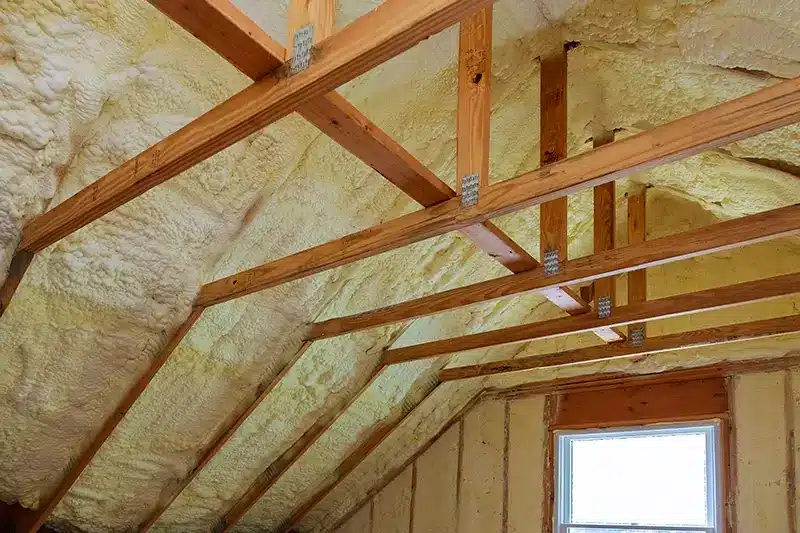
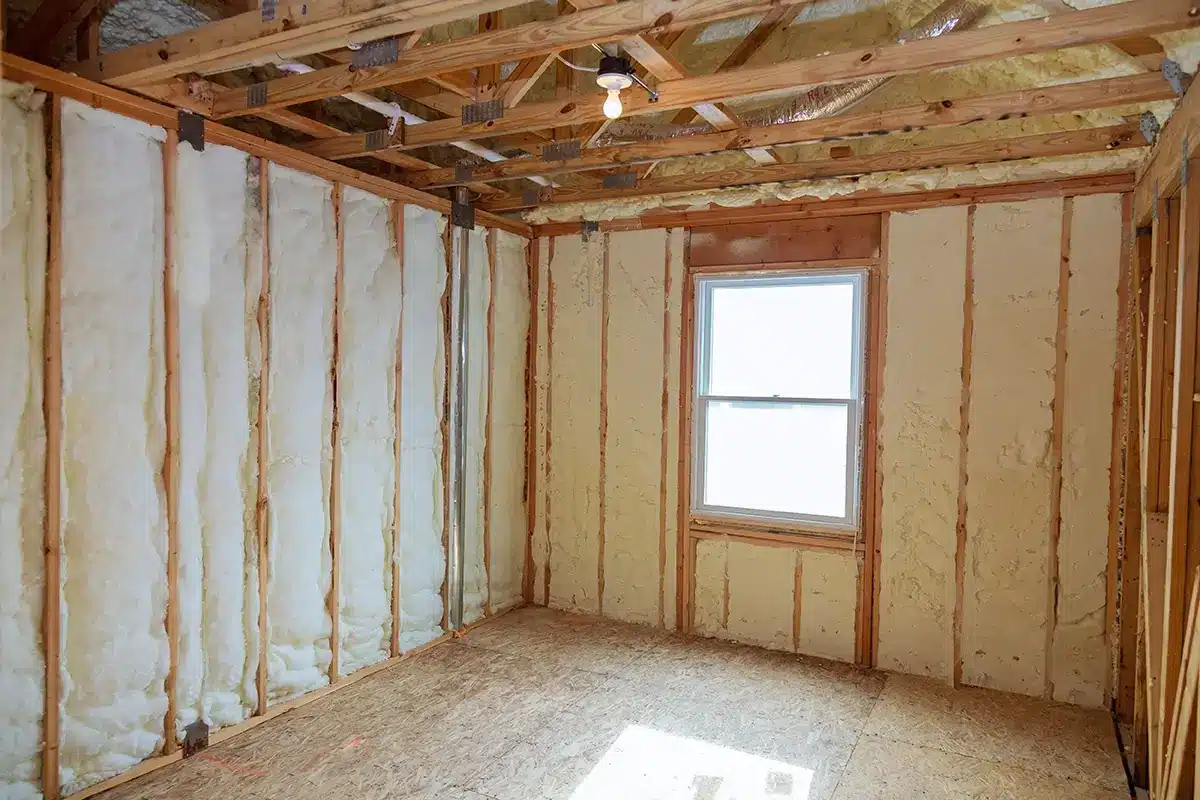
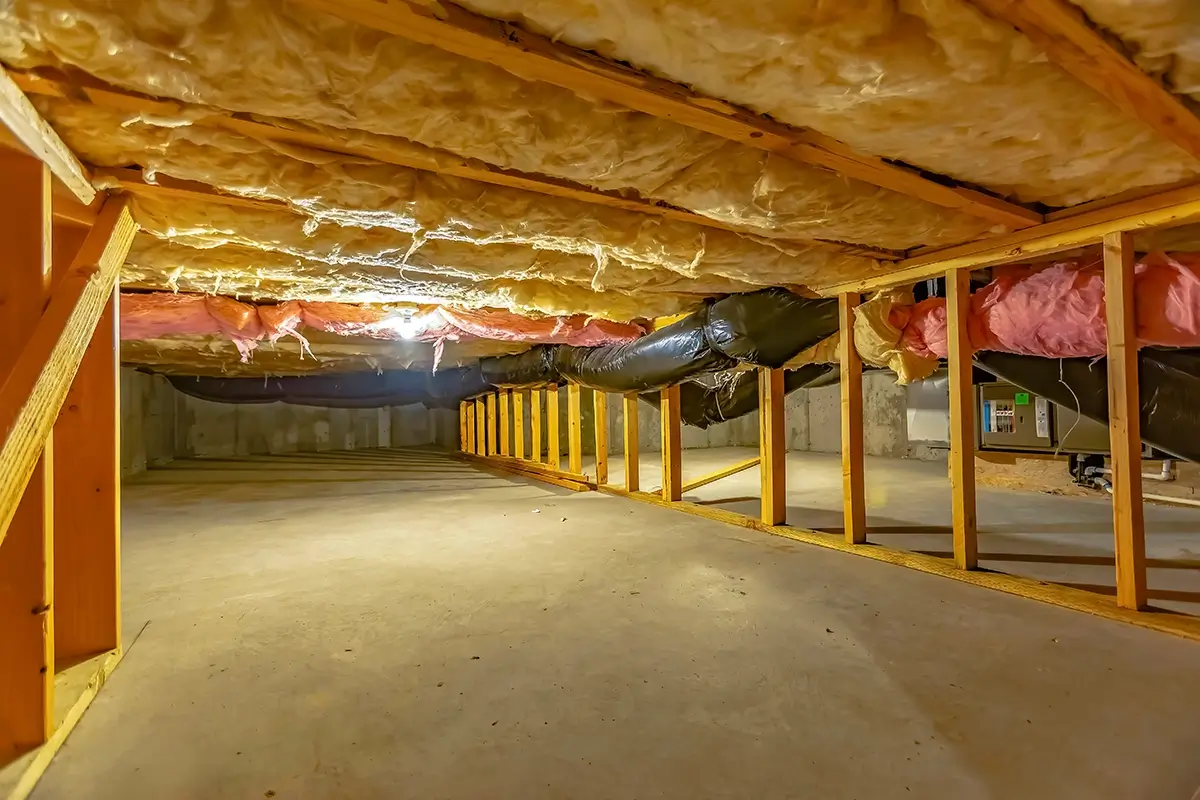
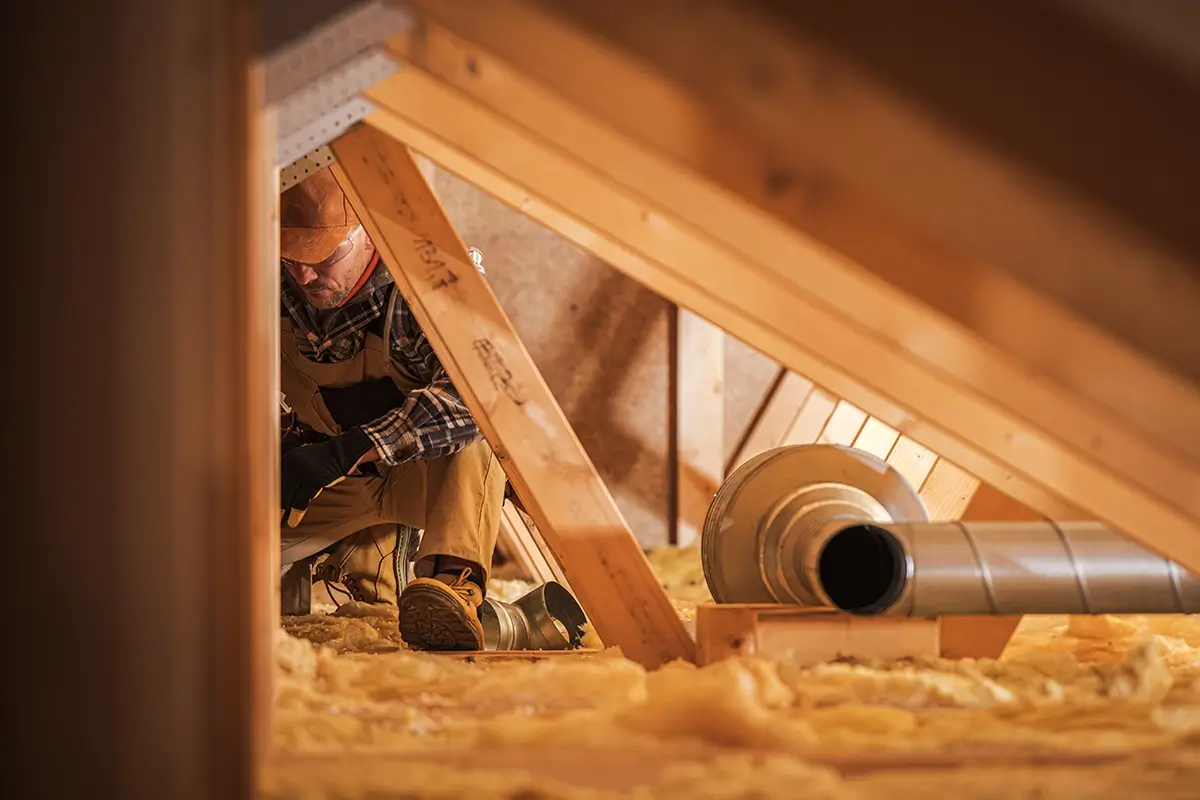
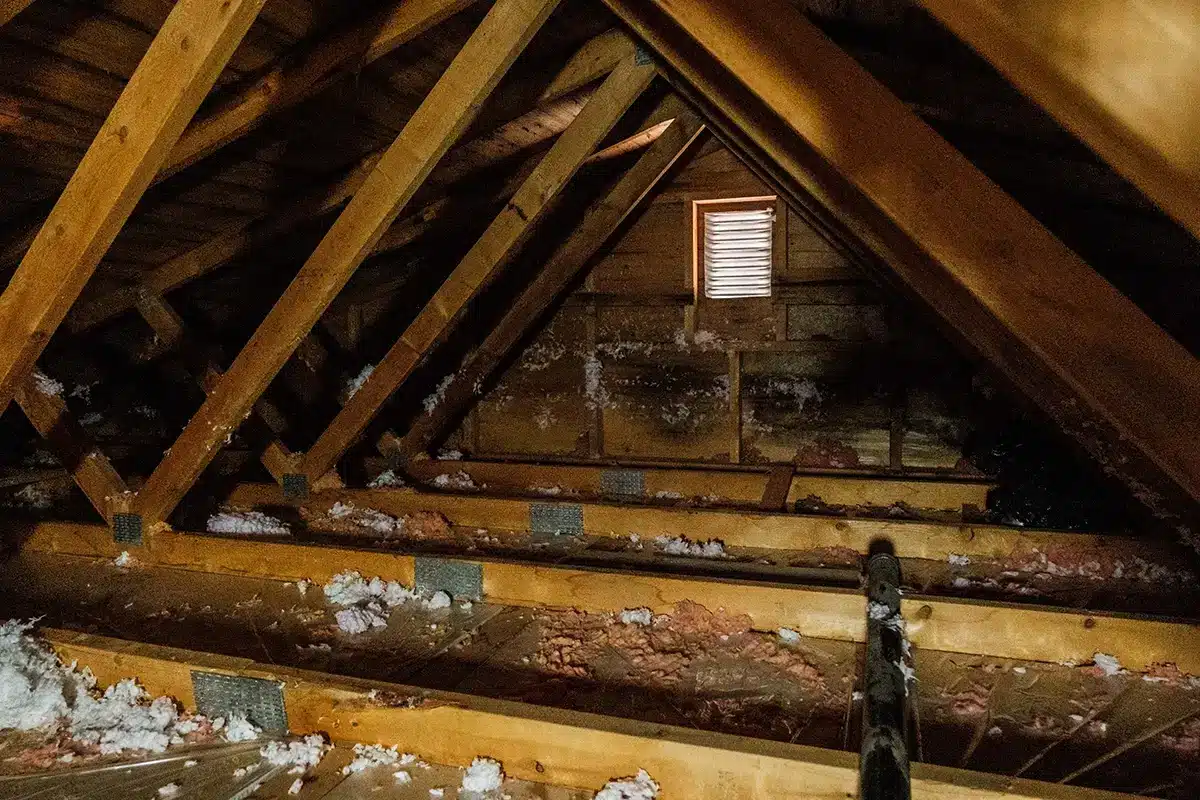
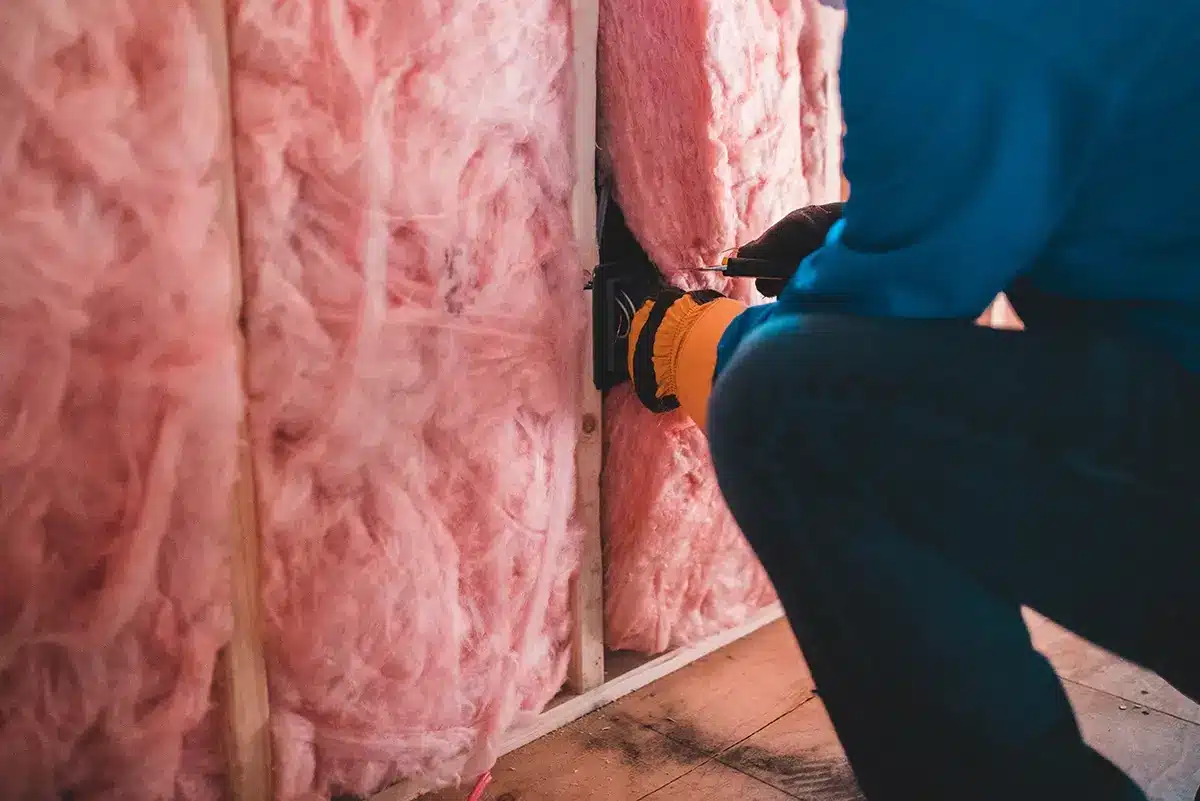
For attic inspections, we’ll evaluate the current condition of the insulation to determine if an overlay or complete remediation and replacement is necessary; for wall insulation, we’ll assess thermal conditions on various spots of the wall to determine areas of inadequate insulation; and for crawlspace insulation, we’ll assess thermal conditions throughout the flooring and identify whether insulation or encapsulation works best for your home.
After our inspection, we’ll sit down with you to cover your options, pricing, and a project timeline. We’ll also provide a comprehensive overview of what we found with photos. Our goal is to ensure you fully understand the situation and leave the review with all your questions and concerns answered.
We’ll schedule your installation on the day that works best for you. All that we ask of you is to prepare your area. If your access panel is in a closet, remove everything from the closet (unless you want to start a unique fashion statement). Please also keep pets out of the area during the installation process (we love cats and dogs, but we don’t love stepping on them!).
During installation, we put tarps down to control debris. Once we’re done, we’ll clean the area extensively and perform a final walkthrough with you to ensure you’re satisfied with our work.
This list isn’t exhaustive. If you don’t see your service area listed, call us today at (586) 335-2718.
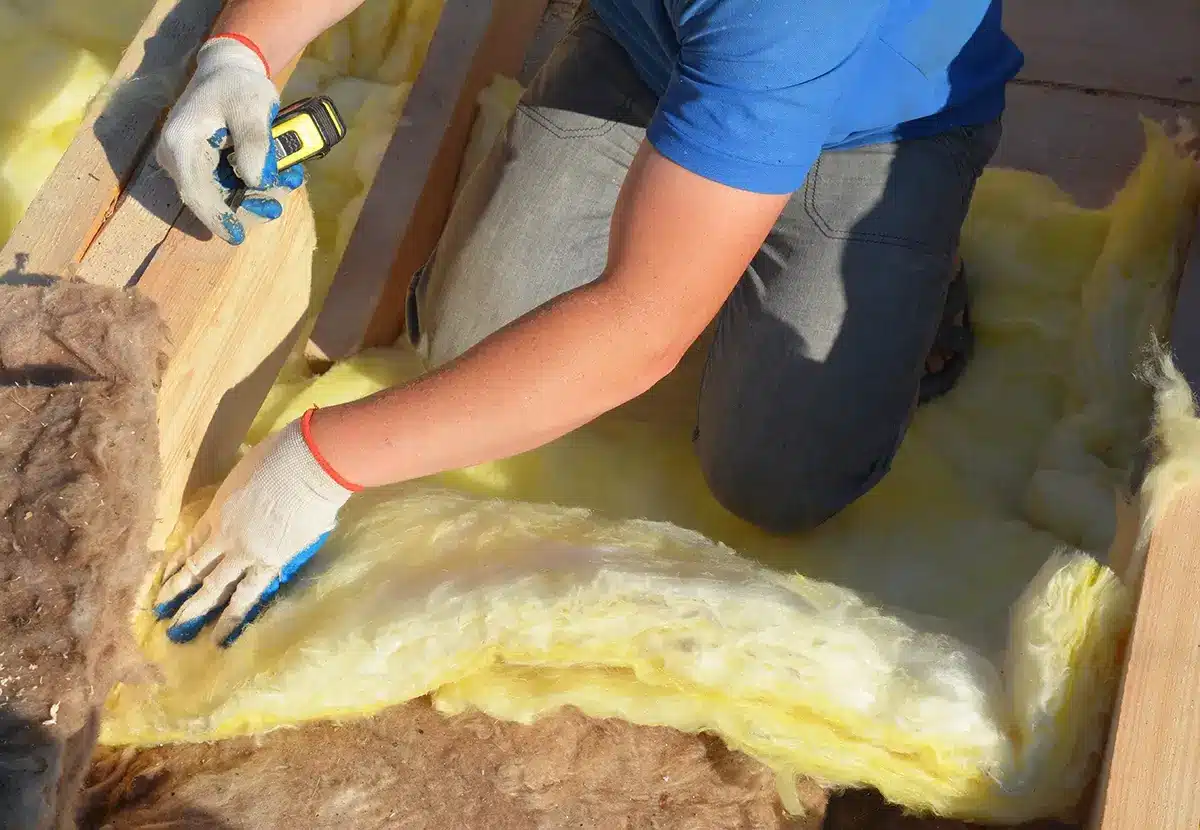
Attic Floor Joists Are Visible Your attic has wooden beams running across it called joists. If you can see them, that's a problem you can solve. When they are covered with insulation, your home retains more heat in the winter.
Constantly Cold/HVAC System Is Doing Its Best: If your home is drafty and your HVAC system seems to run nonstop at all hours, you most likely have gaps that need to be sealed.
Cold Walls & Floors: This is the easiest test for homeowners to perform—check your home’s temperature by feeling the walls and floors, and identify areas that feel colder than others.
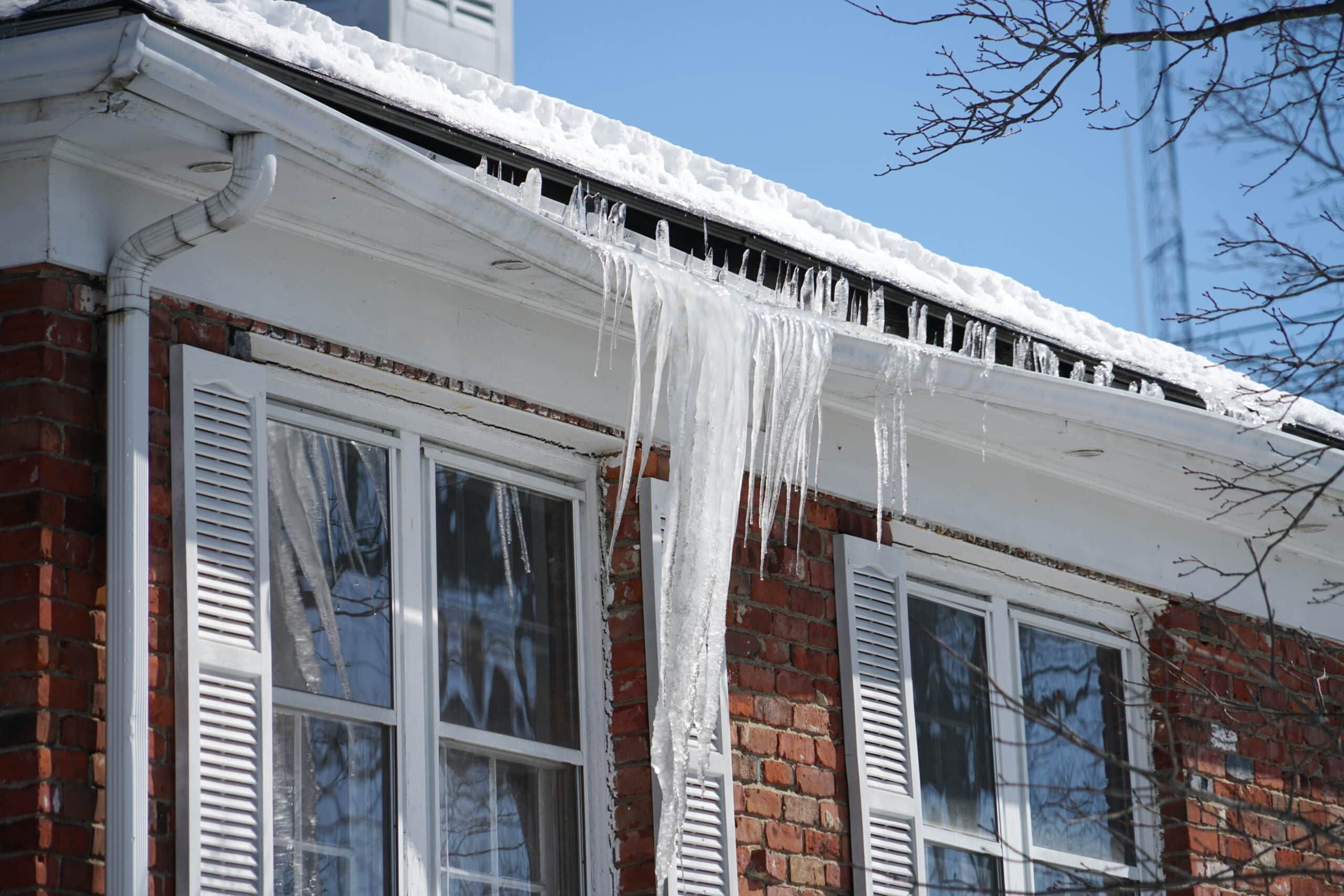
Ice Dams in the Winter: Ice dams aren’t a winter staple—they’re a sign that something is wrong with your home, often a combination of poor attic ventilation and insulation.
| Ceilings With Attic Spaces | R-38 (Standard Truss) or R-30 (Raised Heel/Energy Truss) |
|---|---|
| Ceilings Without Attic Spaces | R-30 |
| Wood Frame Wall | R-20 or R-13 (Interior Cavity + 5 (Continuous Insulation) |
| Floors Over Unconditioned Space | R-30 (R-19 Minimum) |
| Conditioned Basement Walls | R-10 or up to R-13 |
| Slab-on-Grade Floors | R-15 (Continuous Insulation) or R-19 (Interior Wall Cavity) |
| Conditioned Crawlspace Walls | R-15 (Continuous Insulation) or R-19 (Interior Wall Cavity) |
Anything and everything. You name it, we’ll do it. Generally, most homeowners ask for blown-in insulation, so that’s what we install most often.
Ugh! We hate recessed lighting. Just kidding. This is a great question. Insulation packed against recessed lighting can overheat, potentially leading to fires, but gaps mean heat will escape, and the insulation won’t be as effective.
To resolve this debacle, we build fire-resistant, aesthetically pleasing light boxes (recessed light covers) that reduce fire risks and improve energy efficiency.
Absolutely! We offer flexible financing through GreenSky®. Click here to learn more.
Ventilation and insulation work hand in hand as a system that protects your home by managing moisture/preventing condensation and mold, and by controlling temperature to prevent your attic from heating up in the summer and ice dams from forming on your roofline in the winter.
Ventilation also influences the effectiveness of insulation—you can upgrade your home's insulation all you want, but if your attic has poor ventilation, you risk your insulation getting wet from moisture buildup, which renders it totally useless because it needs to be dry to trap air effectively.
With vinyl siding, maybe. It depends on the condition of your existing siding. If you have T1-11 or aluminum siding, you should upgrade your siding along with your insulation. This isn't us trying to upsell you—there's a reason why we recommend siding upgrades in these circumstances.
If your home has aluminum siding, it's insulated with tar paper and old foam board, which isn't effective anymore and causes drafts over time.
If you have T1-11 siding, you don't have any insulation at all. Most contractors who install T1-11 siding don't install insulation because it's challenging and carries risks, such as trapping moisture and making it harder to detect if the siding has started to deteriorate from the inside out.
Yes! For attic insulation installations, if your access panel is in a closet, please follow Eminem’s advice and clean out your closet. This helps prevent insulation from sticking to your clothes.
If you have pets, please keep them out of the way. We don’t dislike pets; we just don’t want to accidentally step on them or cover them in insulation.
We love that we get to tell you this news—yes! If you’re in a low-to-moderate income household, you could qualify for the Michigan Home Energy Rebates Program (MiHER). You can apply for the program here.
But wait…there’s more! If DTE is your primary energy provider, you can apply for the following rebates if your project qualifies:
Click here to learn more.